
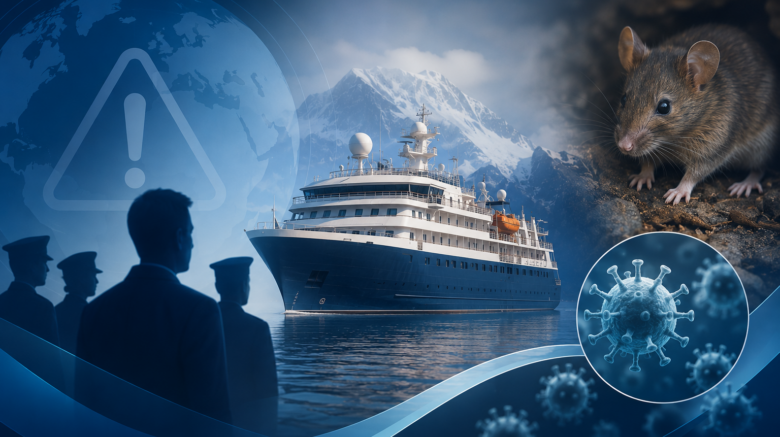
As concern grows over recent hantavirus outbreaks, here are the answers to the questions people are searching for most from symptoms and transmission to whether this could become the next pandemic.
The identification and spread of hantavirus infection on the passengers and cruise ship MV Hondius gives us pause. Three deaths were reported. All personnel from the infected ship are considered high risk for transmission of disease—concerning because the incubation period for the virus can be as long as 40 days. There is no vaccine or specific treatment for hantavirus infection.
Currently, there is no approved vaccine and no specific antiviral treatment for hantavirus infection. Early recognition of symptoms and prompt medical care remain the most important tools for improving outcomes.
As researchers continue to study hantavirus and its effects on the human body, important questions remain regarding susceptibility, immune response, and whether biological sex influences disease severity and recovery.
What Does Gender Medicine Have To Do With Hantavirus?
One of the most important questions in infectious disease research is whether men and women respond differently to viral infections.
Research across many infectious diseases has shown that biological sex can influence:
- Immune system responses
- Inflammation patterns
- Disease severity
- Recovery outcomes
- Vaccine effectiveness
Scientists are still studying whether similar sex-based differences exist in hantavirus infections and whether these differences could affect diagnosis, treatment strategies, or patient outcomes.
As emerging infectious diseases continue to challenge healthcare systems worldwide, understanding how sex influences disease risk and recovery remains a critical part of precision medicine.
Facts regarding transmission, symptoms, incubation periods, and public health guidance are based on current information from the CDC Hantavirus Program, CDC outbreak guidance, and the World Health Organization outbreak update. Recent public interest has been driven by the Andes virus cruise ship outbreak and related quarantine measures.
What Is Hantavirus?
Hantavirus is a family of viruses primarily carried by rodents. Humans can become infected through contact with rodent urine, droppings, saliva, or contaminated nesting materials.
In North America, the most well-known strain is Sin Nombre virus, which can cause a severe respiratory illness called Hantavirus Pulmonary Syndrome (HPS).
In parts of South America, another strain known as Andes virus has gained attention because it is one of the only hantaviruses known to spread between humans under certain circumstances.
How Do People Get Hantavirus?
Most infections occur when people inhale tiny particles contaminated with infected rodent waste.
Common situations include:
- Cleaning cabins, sheds, attics, garages, or storage buildings
- Sweeping areas contaminated with mouse droppings
- Disturbing rodent nests
- Working in heavily rodent-infested rural environments
Health experts recommend avoiding dry sweeping or vacuuming rodent waste because these activities can send viral particles into the air.
Can Hantavirus Spread From Person to Person?
Most hantaviruses cannot spread between people.
However, the Andes virus strain found in parts of Argentina and Chile has been shown to spread through close, prolonged contact with infected individuals.
Researchers believe transmission may occur through exposure to bodily fluids during the symptomatic phase of illness.
This rare form of transmission is the reason the recent cruise ship outbreak attracted global attention.
What Are the Symptoms of Hantavirus?
Early symptoms often resemble the flu and may include:
- Fever
- Chills
- Fatigue
- Muscle aches
- Headache
- Nausea
- Vomiting
- Abdominal pain
As the disease progresses, some patients develop severe respiratory symptoms including:
- Shortness of breath
- Fluid accumulation in the lungs
- Respiratory failure
Symptoms can appear anywhere from 4 to 42 days after exposure.
How Deadly Is Hantavirus?
Hantavirus Pulmonary Syndrome is considered a serious disease.
In the United States, historical mortality rates have ranged from approximately 30% to 40%, depending on the strain and speed of treatment.
Early recognition and supportive medical care significantly improve survival.
Is Hantavirus Airborne?
This question often creates confusion.
Hantavirus can become airborne when contaminated dust containing rodent waste is disturbed.
However, this is very different from viruses like COVID-19 that spread efficiently through normal breathing, talking, or coughing.
Most infections occur through environmental exposure rather than casual contact with other people.
Is This the Next Pandemic?
Public health officials say no.
The current outbreak involves a rare strain of hantavirus with limited human-to-human transmission. Unlike COVID-19, hantavirus does not spread easily through casual social interactions.
The overall risk to the public remains very low.
Health agencies continue to monitor the situation closely, but experts do not consider hantavirus a pandemic threat.
Is There a Vaccine or Cure?
Currently:
- No widely available vaccine exists for hantavirus.
- No specific antiviral treatment has been proven effective.
- Medical care focuses on supportive treatment and managing complications.
Early diagnosis remains one of the most important factors influencing patient outcomes.
Where Is Hantavirus Found?
In the United States, hantavirus cases have been reported most often in western and southwestern states, though infected rodents can be found in many regions.
Recent research has detected higher-than-expected levels of hantavirus infection among rodent populations in parts of Washington and Idaho, prompting renewed scientific interest in understanding human exposure risks.
Why Are People Being Quarantined for 42 Days?
The Andes virus has an unusually long incubation period.
Symptoms may develop anywhere from 4 to 42 days after exposure.
Because individuals can become seriously ill very quickly once symptoms begin, health officials use extended monitoring periods to identify cases early and reduce the risk of transmission.
The Bottom Line
Hantavirus remains a rare but serious disease. While recent outbreaks have generated understandable concern, experts emphasize that the overall public risk remains low.
The best protection continues to be awareness, safe rodent-control practices, and early medical attention if symptoms develop after potential exposure.
As researchers learn more about hantavirus and human immune responses, studying sex-based differences may help improve prevention, diagnosis, and treatment for everyone.