





Founded in 1998 which revealed that the organs of men and women are different and can’t be treated the same.
October 20th at The Metropolitan Club
Learn More
The Foundation for Gender-Specific Medicine
We Fund the Future
We Fund the Future




Sex does matter. It matters in ways that we did not expect. Undoubtedly, it also matters in ways that we have not begun to imagine.
Biological gender and environment profoundly impact the way genes function and, as a result, the very structure and composition of tissues and organs.
The Foundation for Gender Specific Medicine (FGSM) is a New York based non-profit organization that supports the investigation of the ways in which biological sex and gender impact normal human function. Men and women experience many of the same diseases differently. Gender-specific science produces lifesaving insights into human physiology and improves healthcare for all.
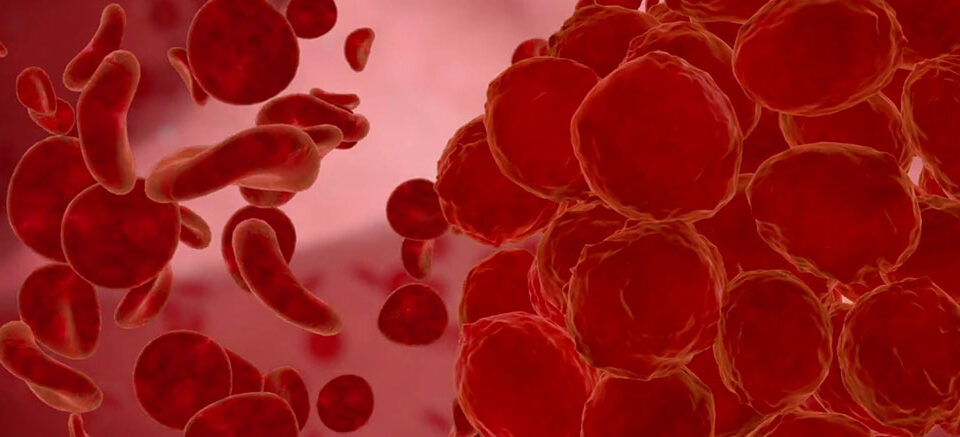
Founded in 1998 which revealed that the organs of men and women are different and can’t be treated the same.

Supporting original scientific research in gender-specific medicine.

We have authored several books explaining the difference in male and female physiology and why biological sex is so important in defining human function.
We have authored several books explaining the difference in male and female physiology and why biological sex is so important in defining human function.
We have authored several books explaining the difference in male and female physiology and why biological sex is so important in defining human function.
MWCABC has awarded a $100,000 research grant to Drs. Magdalena Plasilova and Vivek Mittal of Weill Cornell Medicine to investigate an innovative approach to improving immunotherapy for triple-negative breast cancer.

A growing Ebola outbreak in the Democratic Republic of the Congo has renewed concerns about infectious disease preparedness. Learn how Ebola spreads, current vaccine efforts, symptoms, treatment options, and why public health experts are paying close attention.
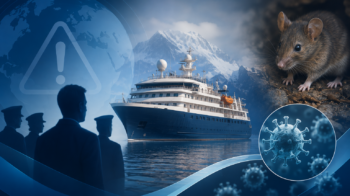
Recent hantavirus outbreaks have sparked public concern and a surge in online searches. Here are the answers to the most common questions people are asking about symptoms, transmission, treatment, and emerging research.