

Why Give to the Foundation for Gender-Specific Medicine?
Because we fund the future.
The Foundation is dedicated to supporting young, untenured investigators—talented researchers whose labs and salaries are often the first casualties of funding cuts. Without them, groundbreaking discoveries in gender-specific medicine—and better health outcomes for everyone—are at risk.
Your gift helps keep promising science alive and ensures that vital research continues despite these challenging times.

Take Action
We must sound the alarm before it’s too late. These cuts might sound like a Washington budget problem. But they hit home—for every American.
We support original scientific research in gender-specific medicine. The Foundation for Gender-Specific Medicine provides fellowships to untenured, young faculty members with the goal of fostering their interest in gender-specific medicine at the beginning of their investigative careers.
The Foundation for Gender-Specific Medicine is proud to showcase our grantee winners and their achievements since 2011.
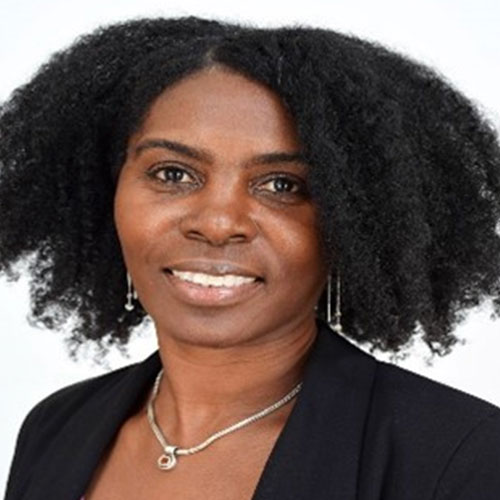
Delivette Castor, PhD
Columbia University,
M. Irené Ferrer Award
2021 Awarded $60,000
Research:
Dr. Castor studies ways to prevent and cure HIV in both men and women. She wants to stop people from getting HIV and help those who already have it.
Output:
Dr. Castor’s team has made good progress finding new ways to prevent and treat HIV. They’ve written five papers, helped improve health programs in many countries, and supported using new tools like a monthly vaginal ring and long-lasting shots to help protect women and girls from HIV. They also created an AI system to find signs of HIV infection in Lesotho, a country where many people have HIV.

Gabrielle Page-Wilson, MD
Columbia University,
M. Irené Ferrer Award
2019 Awarded $60,000
Research:
What causes obesity, including diseases of the pituitary and adrenal glands, and weight gain during pregnancy. She discovered that cortisol, a stress hormone, increases appetite and saves energy, which can lead to weight gain, and she’s looking into how steroid medicines like glucocorticoids cause obesity, especially how this differs between men and women.
Output:
Obesity raises the risk of serious COVID-19 problems, especially for women, and that many hospitalized COVID-19 patients were obese, with a large number being Black or Hispanic. She also found that people with Cushing’s disease, which causes too much cortisol, often keep having problems like weight gain, pain, and anxiety even after treatment, so doctors need to pay close attention to these issues.
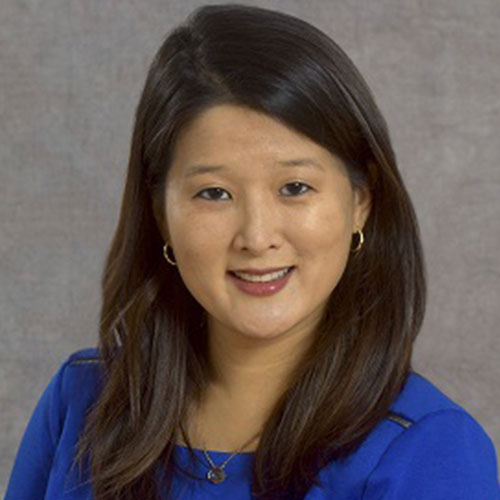
Emily J. Tsai, MD, FACC, FAHA
Columbia University,
M. Irené Ferrer Award
2016 Awarded $60,000
Research:
Dr. Tsai studies how heart failure affects males and females differently, using mice to look at problems in the right side of the heart. She found that male mice’s hearts had more trouble handling stress and got more inflamed than females, which could help scientists find new treatments, especially for men.
Output:
Written five important research papers. Two of them were published in top science journals about heart research, sharing new ideas about how COVID-19 affects the heart.